Somewhere between the things your aunt posts on Facebook and the videos that wellness influencers make people stopped talking about food when they gave diet advice and started talking about fear. There are a lot of diet myths there and they just will not go away. These diet myths get repeated times that people start to think they are true even when the science says they are not.
I have seen people I work with try to follow diets that are based on these diet myths. It usually ends with them feeling frustrated and not as healthy as they were before they started. So I think it is time to set things about these diet myths.
Myth: Carbs Make You Fat

People have been saying that carbs are bad for you for a time. That is just not true about carbs. Whether or not you gain weight depends on how calories you eat, not just on one type of food like carbs. Bread and pasta are not automatically going to make you fat it is about how much of them you eat. Foods like grains, fruit and legumes are also good for you because they have fiber and other nutrients that help your body work properly.
Myth: Skipping Meals Speeds Up Weight Loss

Skipping meals is not a way to lose weight because it can make you really hungry later. Then you might eat too much. Your body does not start storing fat just because you miss a meal. You might feel like you cannot control yourself when you skip meals. Eating meals is usually a better way to lose weight and keep it off. I had a client who used to skip breakfast. When she started eating breakfast she stopped binge eating in the afternoons.
Myth: Detox Diets Cleanse Your Body

There are a lot of products there that claim to help your body get rid of toxins but your body is already really good at doing that on its own. There is no proof that these products actually work. Most of the time when people do a detox diet they just lose water weight. Then they gain it back. Sometimes these diets can even be bad for you because they can make you lack nutrients and feel irritable.
Myth: Fat Free Means Healthy

A time ago food companies started saying that their products were healthy just because they were fat free. That is not always true about fat free products. Sometimes these products have a lot of added sugar, which can be bad for you. You should always read the label to see what is really in your food. Some fats, like the kind you find in oil, avocado and nuts are actually good for you. You should not try to cut them out.
Myth: You Need to Drink a Gallon of Water a Day

There is this idea that you should drink a gallon of water every day. That is not based on what each person needs. How water you should drink depends on your body size, how active you are, where you live and what you eat. A better way to know if you are drinking water is to pay attention to the color of your urine. If it is pale yellow you are probably drinking water. Drinking much water can actually be bad for you because it can make your sodium levels get too low.
Myth: Eating Late at Night Causes Weight Gain

Whether or not you gain weight has nothing to do with what time you eat it is about how calories you eat in a day. Studies have shown that it does not matter what time of day you eat long as you are not eating too many calories. If you eat a snack at night it helps you not be too hungry in the morning. That is okay.
Myth: All Calories Are Created Equal

Just because two foods have the number of calories it does not mean they are the same. The type of food you eat can affect how hungry you are, how energy you have and what nutrients you get. For example if you eat almonds and candy your body will react differently to each one even if they have the number of calories. The quality of the food you eat is important not the number of calories.
Myth: Carnivore or Extreme Elimination Diets Are the Healthiest Option

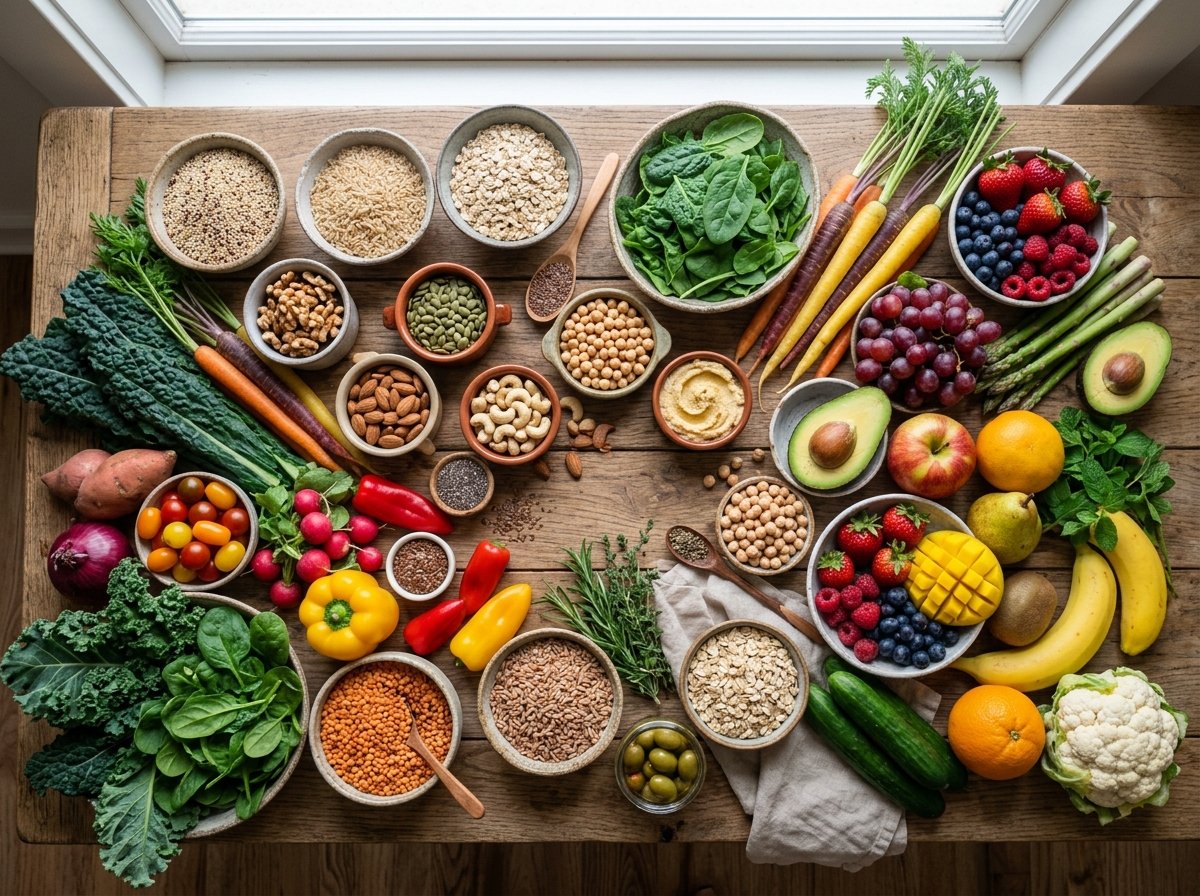
Some people think that the best way to be healthy is to eat types of food like meat or to cut out whole groups of food. There is not a lot of research on these types of diets. They can be bad for you because they do not have enough fiber. Usually when people lose weight on these diets it is because they are eating calories not because the diet is magically making them lose weight. The best way to eat is to have a variety of foods in your diet.
Myth: Supplements Can Replace a Diet

Some companies try to sell you supplements by saying they can replace food but that is not true, about supplements. When you eat foods you get fiber, water and other nutrients that you do not get from supplements. Supplements are meant to help fill in gaps in your diet not replace the food you eat. If you are taking a lot of supplements you should probably look at your diet. See what is missing.
These diet myths will not go away because they are simple and easy to understand. The truth is usually more helpful even if it is not as exciting. The time you hear a diet rule you should question it before you start following it about diet myths.
Frequently Asked Questions
Is intermittent fasting a myth or does it actually work?
Intermittent fasting can work for some people, but its benefits come mainly from reduced calorie intake rather than any special metabolic magic. It is a tool, not a guaranteed solution, and works best when it fits someone's lifestyle and hunger patterns.
Do I really need to eat breakfast every day?
No, breakfast is not mandatory for everyone, and some people do fine skipping it. What matters more is how your overall eating pattern affects your energy and hunger throughout the day.
Are carbs bad at night specifically?
No, timing carbs around evening meals does not cause more fat storage than eating them earlier in the day. Total daily intake and food quality matter far more than the clock.
Can I lose weight without counting calories?
Yes, many people lose weight successfully by focusing on food quality, portion awareness, and hunger cues instead of strict counting. Calorie counting is one tool among several, not a requirement.
Is sugar the single biggest cause of weight gain?
Sugar contributes to excess calorie intake for many people, but it is not solely responsible for weight gain on its own. Overall diet pattern and activity level play a larger combined role.