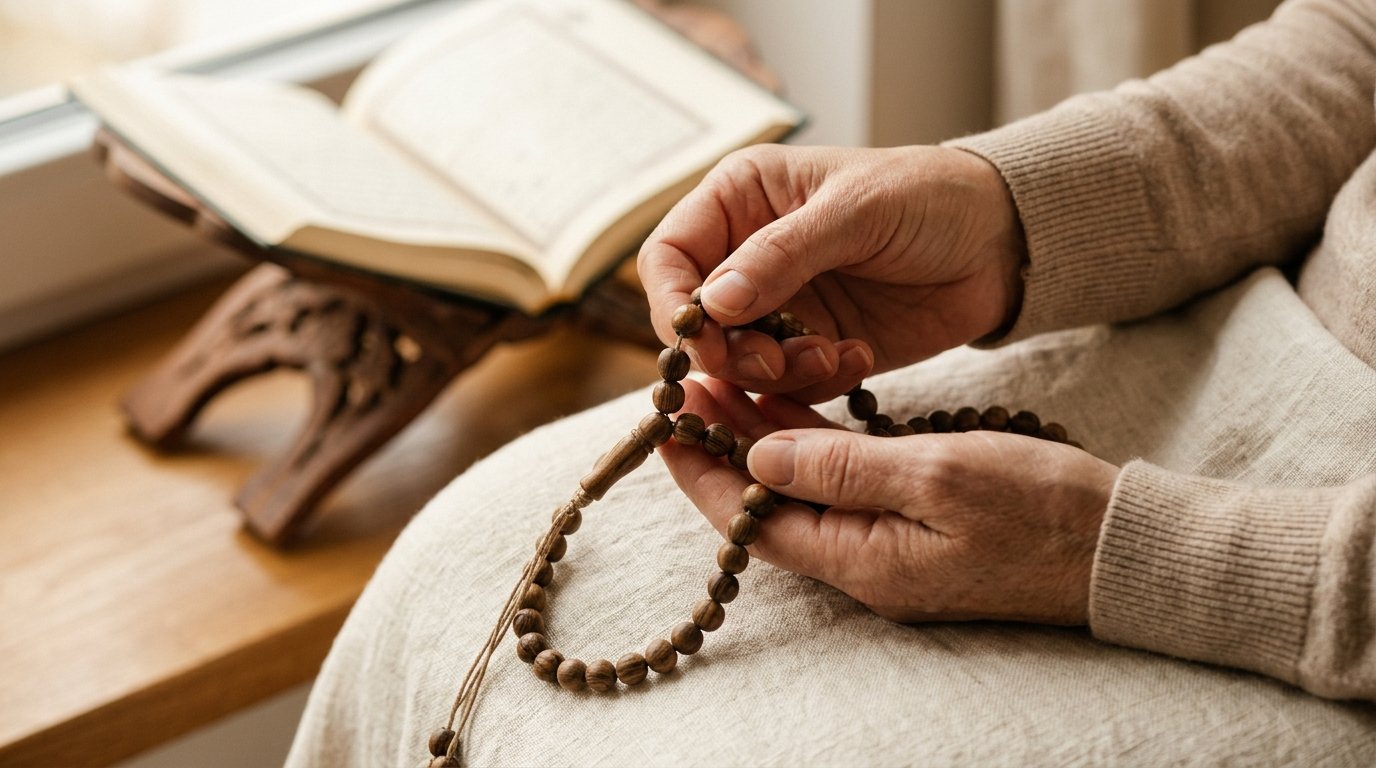
Most people spend years searching for peace in the wrong places. Islam handed it to you fourteen centuries ago.
The chaos of modern life, the anxiety, the restlessness, the feeling that something is always missing, has a direct remedy in Islamic daily practice. These are not abstract spiritual concepts. These are actionable, proven habits that reshape the nervous system, the mindset, and the soul simultaneously.
Begin Every Day With Fajr Prayer
Waking up for Fajr is not just a religious obligation. It is the single most powerful reset a human being can experience.
The stillness of pre-dawn hours carries a quality of silence that no other time of day offers. When you stand in prayer before the world wakes up, you are declaring that your day belongs to Allah before it belongs to anyone else. That declaration alone restructures your priorities and dissolves the anxiety that comes from feeling out of control.
People who pray Fajr consistently report higher focus, greater emotional stability, and a calmer response to daily pressure.
Recite Dhikr After Every Salah
The Prophet Muhammad, peace be upon him, prescribed specific remembrances after each prayer for a reason. Saying SubhanAllah 33 times, Alhamdulillah 33 times, and Allahu Akbar 34 times takes under two minutes and produces a measurable shift in mental state.
Dhikr is essentially Islamic mindfulness. It anchors you to the present moment and to the remembrance of Allah, which the Quran directly states brings tranquility to the heart.
This is not a metaphor. It is a promise from the Creator of the heart itself.
Read the Quran Daily, Even One Verse
Most Muslims wait until they have time to read a full portion. That waiting is the mistake. One verse, read with reflection, does more for the soul than ten pages read mechanically.
Consistency beats volume every single time. Make a non-negotiable commitment to open the Quran every day regardless of how little time you have. The barakah that follows a consistent relationship with the Quran touches every corner of your life in ways that are difficult to explain and impossible to ignore.
Practice Wudu With Full Presence
Wudu is prescribed five times a day before prayer, but its benefits extend far beyond ritual purity. The physical act of washing the face, hands, and feet while making intention creates a moment of deliberate pause in an otherwise reactive day.
Treat every wudu as a reset button. When stress spikes, perform wudu. The combination of cool water, conscious movement, and intention shifts the nervous system from a reactive state into a calm, grounded one.
Say Bismillah Before Everything
This single habit, saying Bismillah before eating, working, speaking, and beginning any task, is among the most underrated Islamic habits for peace.
It transforms ordinary actions into acts of worship and invites divine blessing into every moment of your day. When every action begins with the name of Allah, the fragmentation between your spiritual life and your daily life disappears entirely.
Give Sadaqah Regularly, Even in Small Amounts
Generosity is one of the fastest routes to inner peace that Islam prescribes. The science of happiness independently confirms what Islamic tradition established long ago: giving to others produces a greater sense of wellbeing than receiving.
Even a small, consistent sadaqah builds a character of abundance rather than scarcity. It reminds you that what you have is enough, and that blessing multiplies through sharing rather than hoarding.
Practice Tawakkul After Taking Action
Tawakkul is complete trust and reliance on Allah after you have done what is within your ability. It is the Islamic antidote to anxiety about outcomes.
The formula is straightforward: plan with wisdom, act with effort, then release the result to Allah. Most modern anxiety comes from attempting to control what was never in human hands. Tawakkul dissolves that anxiety at the root rather than managing its symptoms.
Seek Forgiveness Through Istighfar Daily
Carrying guilt and unresolved mistakes is one of the heaviest burdens a human being can bear. Istighfar, the regular seeking of Allah's forgiveness, is the Islamic mechanism for releasing that weight.
Say Astaghfirullah with genuine intention throughout your day. The Prophet, peace be upon him, sought forgiveness more than seventy times daily despite being free of sin. The habit cleanses the heart and keeps the ego accountable without spiraling into destructive self-criticism.
Pray Tahajjud When the World Is Silent
The night prayer holds a status in Islamic spirituality that no other voluntary act of worship quite matches. Rising in the last third of the night to pray two or more units of prayer in complete silence is described in the Quran as the mark of those who are truly devoted.
The intimacy of speaking to Allah while everyone else sleeps builds a private, unshakeable connection that carries you through the hardest days.
Conclusion
Peace is not a destination. In Islam, it is a daily practice built from small, consistent habits that reconnect the heart to its Creator. Every salah, every dhikr, every bismillah, and every act of sadaqah is a brick in the architecture of a life that feels genuinely settled from the inside out. Start with one habit today. Add another next week. Within months, the restlessness that once felt permanent will feel like a distant memory.
Frequently Asked Questions
Q1. What is the most important Islamic habit for finding peace?
Salah is the foundation. Praying five times daily with presence and focus restructures the entire day around connection with Allah, which is the root source of genuine peace in Islamic understanding.
Q2. How does dhikr help with anxiety?
Dhikr shifts the mind away from obsessive thought loops and anchors attention in the present moment through repetitive remembrance of Allah. The Quran explicitly states that the heart finds rest in the remembrance of Allah, and this is experienced practically by those who practice it consistently.
Q3. Can non-practicing Muslims start these habits gradually?
Absolutely. Beginning with a single habit, such as saying Bismillah before meals or reading one Quran verse daily, creates momentum. Spiritual consistency built slowly is far more durable than intense but short-lived religious phases.
Q4. How does sadaqah bring peace if it involves giving something away?
Sadaqah shifts the psychological orientation from scarcity to abundance. When you give regularly, you reinforce the belief that you have enough and that Allah will provide more. That belief is one of the most powerful eliminators of financial anxiety and general restlessness.
Q5. What is tawakkul and how is it different from simply giving up?
Tawakkul requires full effort first. It is the surrender of the outcome after doing everything within your ability, not instead of it. Giving up involves no action. Tawakkul involves complete action followed by complete trust, which is an active and disciplined spiritual state.
Good Efforts Informative article